







The Senior Deputy Financial Secretary (SDFS), Mariatu Brown, in her welcome address, stated that the Fiscal Risk Strategy Statement represents a transformative step in providing a comprehensive and independent assessment of fiscal risk, quantitative analysis of contingent liabilities, climate-related risk, policy preparedness, and institutional vulnerability.
The exercise commenced at Leisure Lodge Hotel, Aberdeen, Freetown, on Wednesday, 17th September 2025, and was scheduled to conclude on 19th September 2025. It draws participants from the Ministry of Finance, the Bank of Sierra Leone (BSL), the National Revenue Authority (NRA), the Public-Private Partnership (PPP), and Civil Society Organisations.
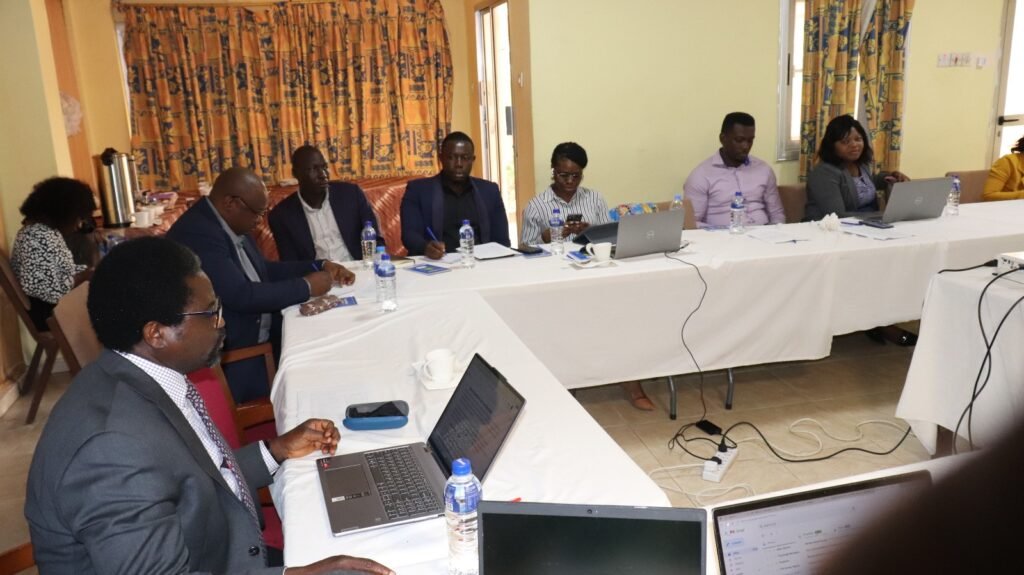
Madam Browne also noted that the workshop marks the beginning of a broad ongoing commitment and consultative process for a standalone Fiscal Risk Strategy Statement (FRS).
“The Strategy would facilitate dialogue between the government, private sector players, development partners, and build institutional understanding, technical capacity for fiscal risk analysis, and identify opportunities for improving the data system in interagency collaboration,” she stated.
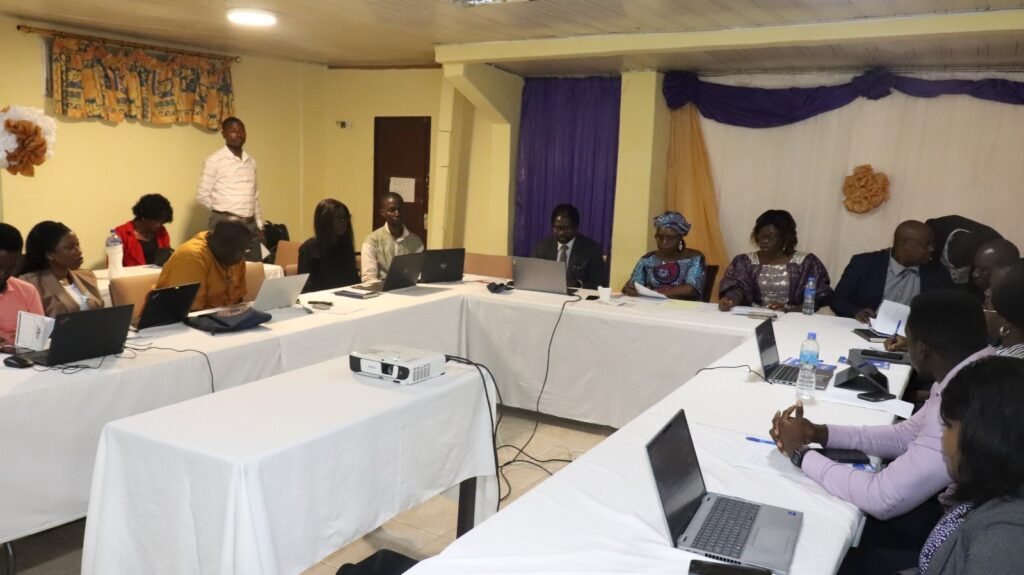
The Minister of Finance II, Madam Jenneh Jabati, in her keynote address, stated that this event marks a defining moment in our fiscal governance journey, a moment of reform, innovation, and national commitment to sound economic management.
She noted that the fiscal environment in which governments operate today is increasingly uncertain, due to economic volatility, climate change, public health shocks, natural disasters, and instability of State-Owned Enterprises (SOEs) and Public-Private-Partnership (PPP).
She mentioned that the development of a dedicated, standalone Fiscal Risk Statement reflects the government’s bold commitment to fiscal transparency, accountability, and long-term resilience.
The Director of Fiscal Risk Division Dr. Alhassan Mansaray presented that the workshop would focus on micro economic shocks, governance challenges, climate risks, revenue volatility, expenditure pressures, debt sustainability, economic growth, revenue mobilization challenges, expenditure pressures, budget risks, climate change threat, governance and social vulnerabilities, political polarization, corruption and institutional weaknesses, strategic policy recommendation etc.
©️MOF Communications