



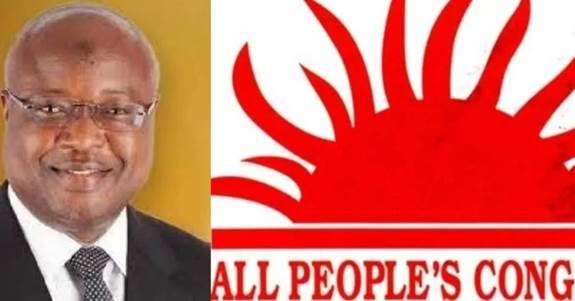
In the dynamic landscape of Sierra Leone’s politics, former Vice President Chief Samuel Sam-Sumana has emerged with a resonant pledge to “reset and redeem” the nation’s trajectory. This vision, central to his bid for the All People’s Congress (APC) flagbearership for the 2028 elections, is not merely a campaign slogan but a comprehensive framework aimed at healing internal party divisions and steering the country toward a future of credible governance and inclusive development. Achieving this ambitious goal hinges on a symbiotic partnership with the APC executive and the unwavering support of the Sierra Leonean people.
The cornerstone of Sam-Sumana’s “reset” begins within the APC itself, championing a politics of radical inclusion and unity. He has publicly advocated for an end to internal gatekeeping, insisting that party identification cards “should be given out equally without bias” and that all members should be embraced. This call for unity is rooted in his own protracted struggle for reinstatement within the party, a journey that culminated in a landmark ruling by the Political Parties Regulation Commission (PPRC). The Commission ordered the APC to regularize his membership, finding that the party had sidestepped its own constitution by failing to afford him due process. This personal experience informs his commitment to ensuring the party’s rules are applied transparently and fairly for all, a necessary first step to consolidating its strength. His message is one of reconciliation, extending “a hand of peace and reconciliation to my APC family” to mend past fractures.
To “redeem” Sierra Leone, Sam-Sumana’s strategy is inextricably linked to a robust defense and implementation of the Tripartite Committee Recommendations. This set of over 80 recommendations, agreed upon by the government, opposition, and civil society, is widely regarded as the essential blueprint for credible elections and democratic stability. The APC executive, under Acting Chairman Alhaji Osman Foday Yansaneh, has made the full implementation of these recommendations its central public demand, criticizing the Bio administration for a “lackadaisical and deliberately obstructive posture”. Sam-Sumana’s mission aligns with this priority, focusing on leveraging the Tripartite Agreement as an actionable instrument for national reform.
A critical pillar of this effort is the unwavering insistence on electoral justice and constitutional reform. The APC executive has forcefully rejected government proposals to lower the presidential victory threshold from 55% to a simple majority, warning it threatens democratic integrity. Sam-Sumana’s platform supports this defense of rigorous standards while pushing further. He backs the party’s call for a complete restructuring of the Electoral Commission for Sierra Leone (ECSL) to ensure its independence and credibility. Furthermore, his agenda emphasizes the urgent need for constitutional amendments to formalize the appointment process for electoral commissioners and to mandate that only data from a credible, decennial census published at least 24 months before an election—can be used for constituency delineation. This addresses longstanding suspicions that census data has been manipulated for electoral advantage by successive governments.
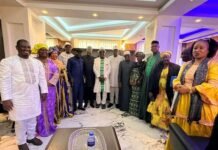
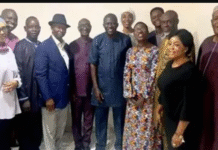
The “Sam28” project, as his campaign is known, demonstrates a clear strategy for building a coalition of support that stretches from the grassroots to the party’s highest echelons. Momentum is building through direct engagement, as evidenced by his strategic meetings with district stakeholders, ward executives, and Members of Parliament in key areas like Waterloo, where he secured “pledges of unwavering support”. This bottom-up approach, which aligns local leaders with a national vision, is designed to demonstrate electability and foster organic growth for the movement. It is through this grassroots machinery that the message of reset and redeem will be translated into widespread voter mobilization.
Ultimately, Chief Sam Sumana’s promise of redemption extends to a fundamental reorientation of governance. It is a call to restore the APC’s historical identity as a pragmatic “remedy for Sierra Leone’s chronic political and social ailments”. This involves moving beyond transactional politics and reviving the party’s founding principles of discipline and service. By championing the full implementation of the Tripartite Recommendations, he offers a concrete path to end the cycle of disputed elections and political impasse. His vision positions the APC not as a vehicle for factional ambition, but as a unified force capable of administering the necessary medicine for the nation’s headaches of poverty, illiteracy, and regionalism. Success in 2028, therefore, depends on a trinity of factors: a united and constitutionally disciplined APC executive, a citizenry mobilized around the demand for irreversible democratic reforms, and a leader whose personal narrative embodies the struggles and resilience of the party itself.