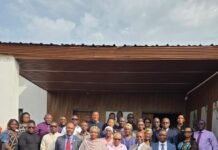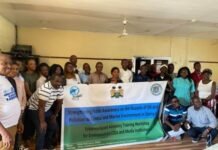
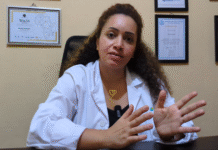


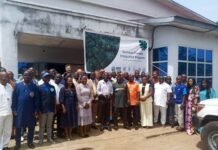



The Country Manager for Doctors With Africa-CUAMM, Michele Soci, has sounded the alarm over the growing number of diabetes cases among young people in Sierra Leone, citing a lack of awareness as a significant barrier to timely diagnosis and treatment. Speaking at a joint press conference with the Ministry of Health on World Diabetes Day, Soci emphasized that Type 1 diabetes, which primarily affects young people, is often not recognized at the household level, leading to delayed hospital visits and potentially fatal consequences.
Soci noted that families often fail to realize the urgency of Type 1 diabetes symptoms, resulting in delayed hospital visits. Without timely treatment, the disease can be fatal. To address this issue, Soci recommends a nationwide awareness campaign to educate communities, particularly parents and caregivers, about the signs of the disease and the importance of early intervention.
The Country Manager highlighted the role of two PEN-Plus health facilities in Kono and Pujehun, which have become key referral centers for diagnosis and treatment. “Many patients come from across the country to these centers, which offer consultation, diagnosis, and treatment, especially for the worst forms of diabetes affecting the youth,” he added.
The Senior Permanent Secretary at the Ministry of Health, Dr. Alie Wurie, noted that data reported on diabetes in the working class is alarming. He emphasized that the ministry’s mandate is to provide accessible and affordable services and enable people to access care. Dr. Wurie highlighted that globally, diabetes continues to rise at an alarming rate, with the World Health Organisation reporting a fourfold increase in the number of people living with diabetes over the past three decades.
According to Dr. Wurie, projections indicate that the burden of diabetes may grow to over 850 million by 2050 if urgent action is not taken. The International Diabetes Federation notes that approximately 1 in 9 adults worldwide now lives with diabetes, with the greatest increases occurring in low- and middle-income countries. In Sierra Leone, national estimates indicate that diabetes among adults aged 20-79 has increased significantly, rising from around 72,000 cases in 2011 to approximately 170,000 cases by 2024.
Dr. Wurie emphasized that workplaces remain essential platforms for addressing the rising burden of diabetes. Adults spend a substantial portion of their time at work, making these environments critical for health promotion, lifestyle improvement, and early detection. He encouraged small changes, such as healthier food options, routine health checks, and opportunities for physical activity, to significantly improve the health and well-being of workers.
A WHO representative at the press conference noted that diabetes is one of the leading causes of death worldwide. He emphasized that Sierra Leone has limited preventive measures and that diabetes affects everyone, with each stage requiring tailored treatment. He concluded that diabetes can damage various parts of the body, but early detection can prevent it from developing into insulin resistance.
World Diabetes Day was established in 1991 by the International Diabetes Federation (IDF) and the World Health Organisation (WHO) to raise awareness of diabetes, its prevention, and management, and its impact on millions of people worldwide. It is observed every year on November 14th, the birthday of Sir Frederick Banting, who co-discovered insulin in 1921. The day serves as a platform to advocate for stronger healthcare systems, better education, and access to essential diabetes care, especially in low- and middle-income countries.